About Electronic Extensometer
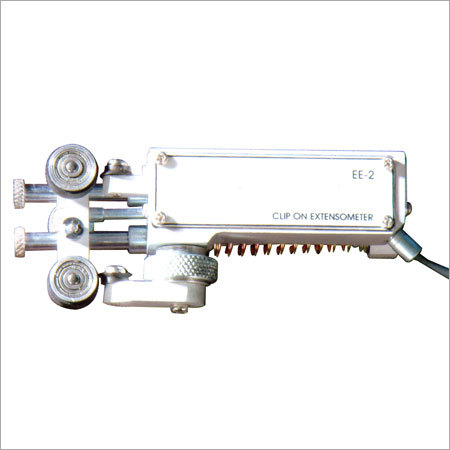
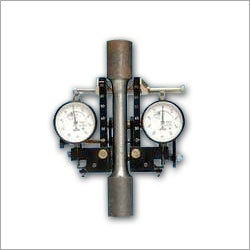
We are one of the leading manufacturers, exporters and suppliers of optimum quality range of Electronic Extensometer. With the help of the state-of-the-art techniques and superior quality components; the provided extensometer is manufactured under the surveillance of our deft professionals. This extensometer is widely used to test the impact of strain on any metallic body. Besides, the offered Electronic Extensometer can be easily availed from us in different specifications at economical rates.
Features:

- Enhanced service life
- Low maintenance
- High operational fluency
- Consume less power
High-Precision Measurement for Material TestingThis extensometer delivers precise strain measurement, supporting 1% to 100% elongation with a resolution of 0.001 mm and 0.5% accuracy. Its quick clamp and spring-loaded mounting offer efficient specimen gripping, suitable for both round and flat samples up to 15 mm wide. The digital display ensures real-time monitoring, contributing to effective test analysis and reporting.
Versatile Design and ApplicationConstructed from durable aluminum alloy and weighing approximately 20 kg, the extensometer fits seamlessly into automated test setups. It accommodates a wide range of specimens, test speeds, and environments, withstanding humidity up to 85% RH and temperatures from 10C to 45C. The 2-meter cable and standard port size allow flexible installation and operation in various laboratory settings.
FAQs of Electronic Extensometer:
Q: How does the electronic extensometer measure strain during tests?
A: The extensometer uses a strain gauge-based sensor to accurately detect changes in specimen length during tensile or compressive tests. This data is converted into digital readings, displayed on a large LED/LCD screen for immediate analysis.
Q: What types of specimens can be tested with this extensometer?
A: It can accommodate both round and flat specimens, depending on the grips used. The quick clamp type gripping allows secure mounting for specimens with gauge lengths up to 20 mm and a test width of up to 15 mm.
Q: When should the calibration certificate provided be referenced?
A: The calibration certificate should be referenced before conducting any testing to ensure the devices measurements are accurate and comply with industry standards. Periodic verification is recommended for ongoing reliability.
Q: Where can this electronic extensometer be used effectively?
A: The extensometer is suitable for research labs, quality control departments, and manufacturing units that require precise measurement of material elongation during tensile and compressive tests. Its robust design and flexible installation make it ideal for various testing environments.
Q: What is the process for mounting and operating the extensometer?
A: Using the clip-on, spring-loaded mechanism, the extensometer is easily attached to the specimen. Once secured, the user selects the test parameters using the electronic controls. The variable test speed and digital output ensure accurate, automated measurements throughout the test stroke (0-50 mm).
Q: How does automated operation enhance testing efficiency?
A: The automatic, electronic control mode enables streamlined test execution, minimizing manual intervention. Quick mounting and rapid response time (<1 ms) optimize throughput, while digital data output facilitates easy integration with PC test software for results analysis.
Q: What are the main benefits of using this electronic extensometer?
A: Key benefits include high measurement accuracy, robust construction, overload protection, versatile specimen compatibility, and easy digital data management. The equipments reliability and automation make it valuable for precise, repeatable material testing workflows.